A Joint Non-Partisan Initiative by ROUTE and the Lackawanna Coalition
The Lackawanna Coalition and ROUTE (Restore Our Transit in Essex), two rider advocacy organizations reached out to candidates running for the congressional seat left open by now Governor Sherill with a questionnaire tackling the issues NJ Transit is facing.
Eleven responded – here is where they landed on this issue…..
Essential but Failing
Themes included aging infrastructure, delays, cancellations and old systems paired with decades of deferred maintenance that’s led to a fragile and failing system. The disproportionate burden placed on commuters relying on Amtrak infrastructure (especially through Newark and NY Penn Station) where failures routinely affect service also came up across the field.
Federal Investment Not Optional
Candidates argued that the Northeast Corridor supports a big chunk of the country’s economic output and NJ shouldn’t be expected to shoulder the price tag in keeping it together by itself. Responses pointed to the need for federal grants, predictable funding that goes long-term and kept promises connected to funds that fell victim to political interference.
Gateway Tunnel Non-Negotiable
While the language used varied almost every candidate supported the Gateway Tunnel project – “essential”, “overdue” and “critical” were paired with warnings that canceling the project or delays would jeopardize not only NJ commuters but the entire NE Corridor.
There was also support for legal action or multi-year funding commitments in helping the project move forward regardless of how political winds blow.
It’s Electric……….Boogie Woogie Woogie
Most everyone supported clean air, electric buses and cars along with federal investment with the exception of one candidate who raised concerns on grid-readiness and cost.
Aside from the environmental arguments, several candidates argued through an economic lens warning that rolling back EV incentives would cede global leadership to foreign manufacturers.
Congestion Pricing became the Wedge
Some of the clearest differences showed up on congestion pricing with most opposed to what they saw as federal retaliation against the Big Apple and were behind the idea that some of the revenue should go into improving transit (across the Hudson) for NJ’s commuters.
At least one candidate argued that the current structure places an unfair financial burden on NJ residents without any guarantee of meaningful alternatives. Others supported congestion pricing in principle but argued that it needs to come with real improvements to service in New Jersey.
What the Survey Does and Does Not Do
The Lackawanna Coalition and ROUTE were clear that the questionnaire is informational, and responses were published without editing, fact-checking, or scoring.
Neither organization endorsed any candidate.
The candidate responses provides a unique in-depth single issue snapshot of perspectives on oversight, federal funding and regional coordination at a moment when service reliability is the first question many NJ commuters have on their minds when they wake up and get ready for work.
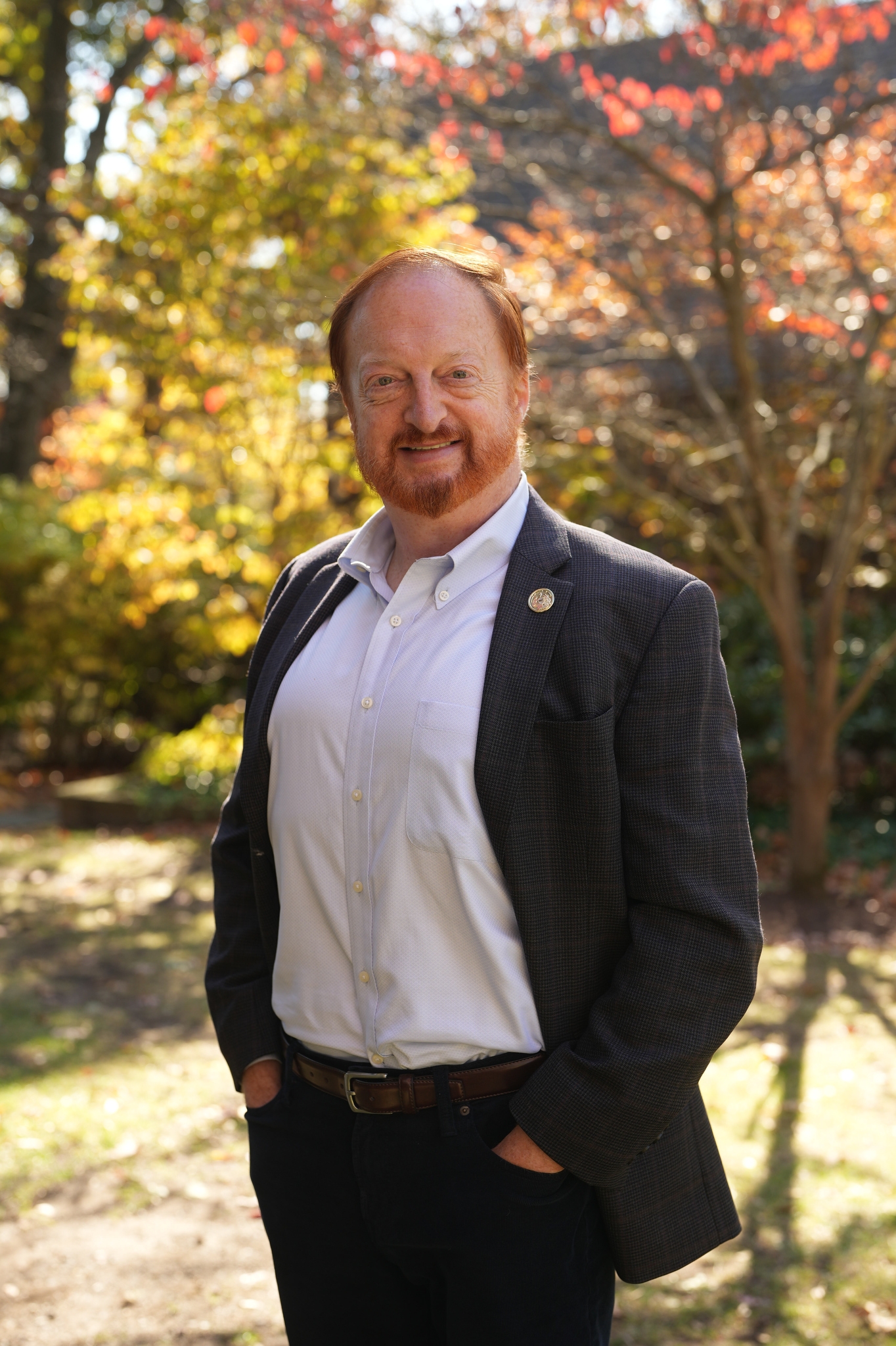
John Bartlett
Called for restoring lost commuter bus service and expanding weekend rail access into New York City.

Zach Beecher
Argued the Northeast Corridor is national economic infrastructure and requires robust federal capital investment.
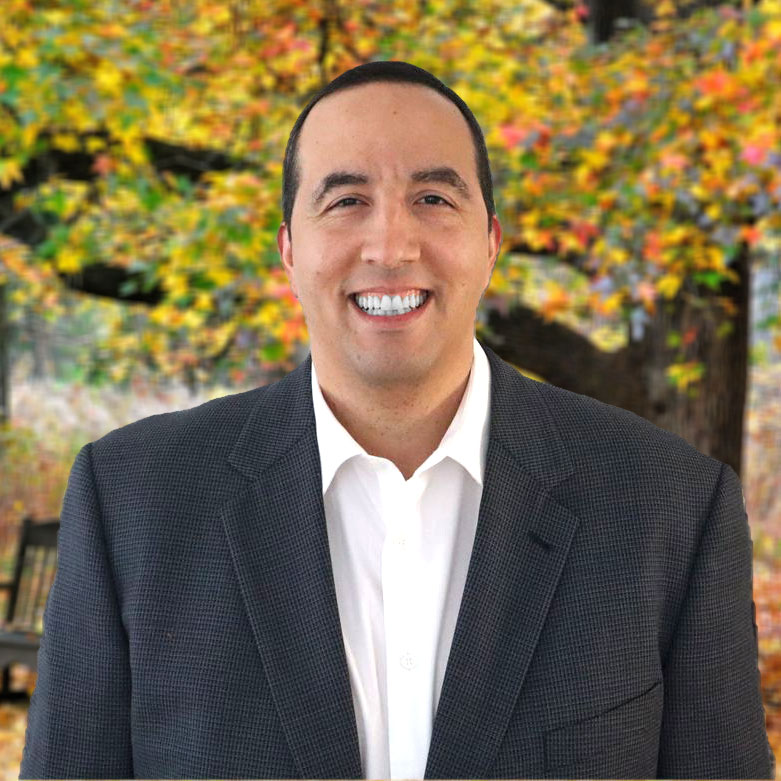
J-L Cauvin
Framed NJ transit neglect as a consequence of donor-state politics despite national dependence on the corridor.

Cammie Croft
Pointed to night and weekend service gaps that worsened after the collapse of DeCamp bus routes.
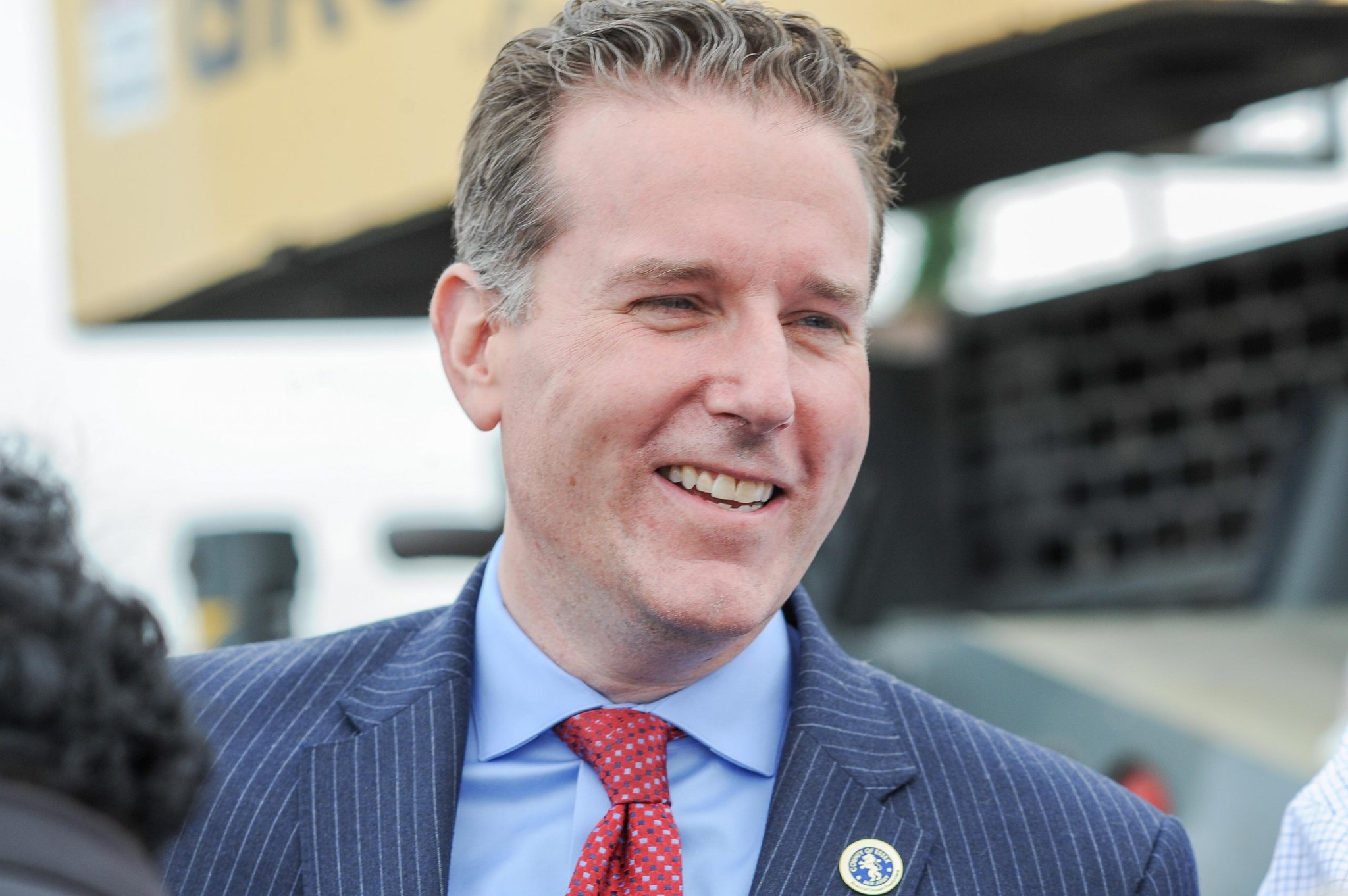
Brendan Gill
Prioritized state-of-good-repair investments and modernization of aging rail and power systems.
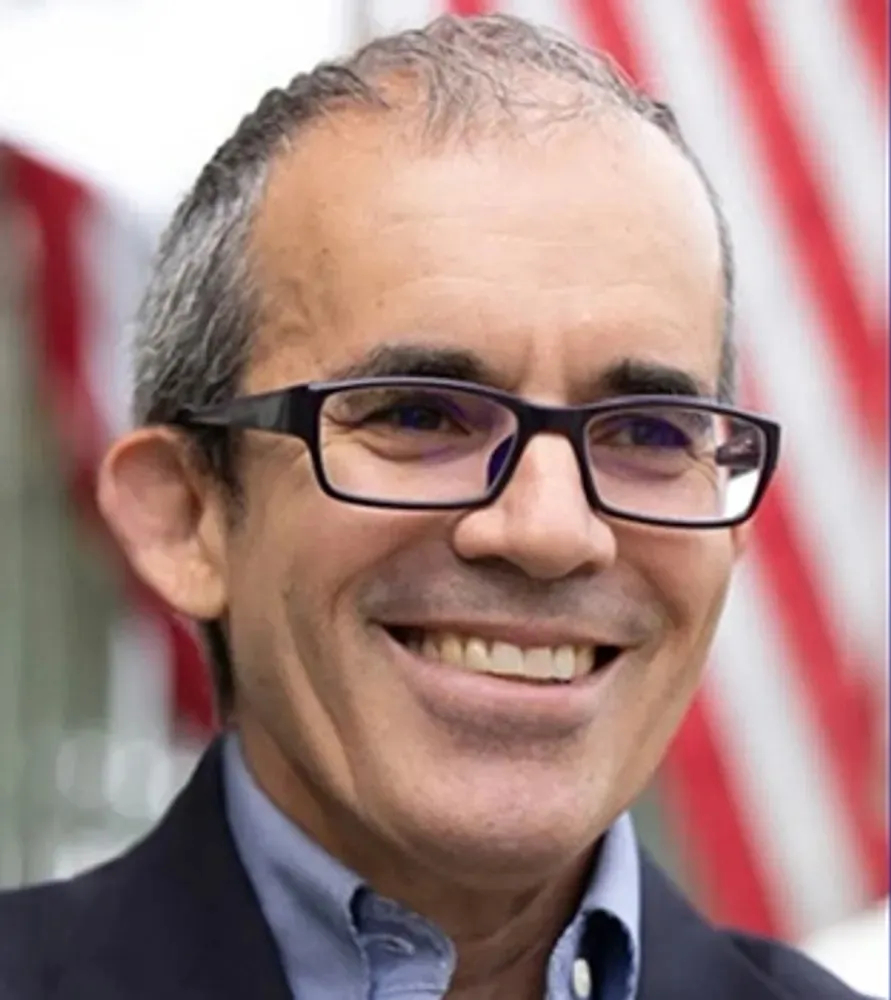
Jeff Grayzel
Supported transit investment but raised concerns about electric bus costs and grid readiness.

Tom Malinowski
Called for predictable federal funding and legal safeguards to protect Gateway and Amtrak infrastructure.
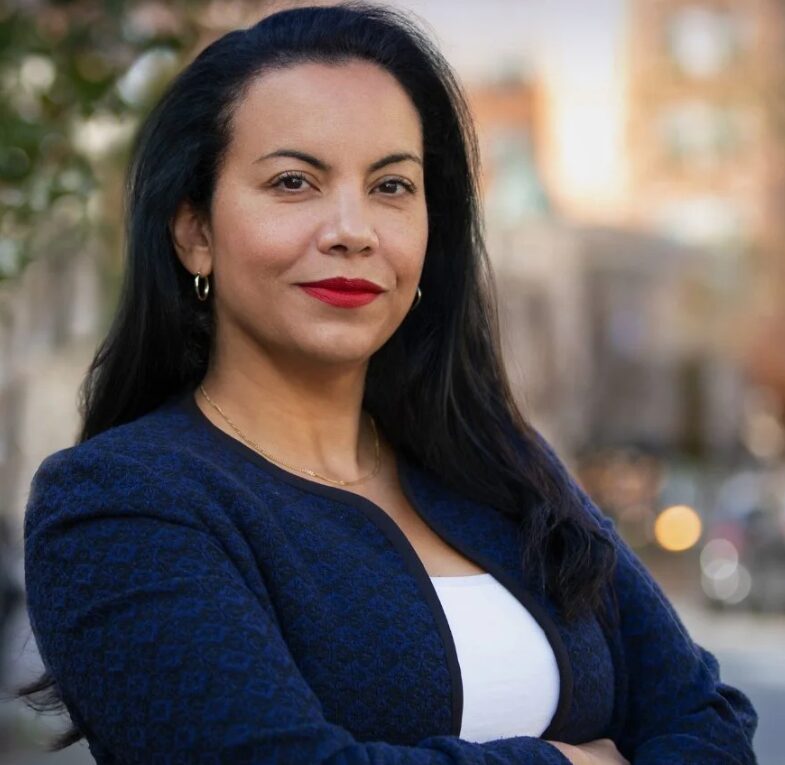
Analilia Mejia
Focused on fare pressure and the need for federal funding to prevent costs from falling on riders.

Justin Strickland
Emphasized federal-state coordination to reduce delays tied to Amtrak-owned infrastructure.
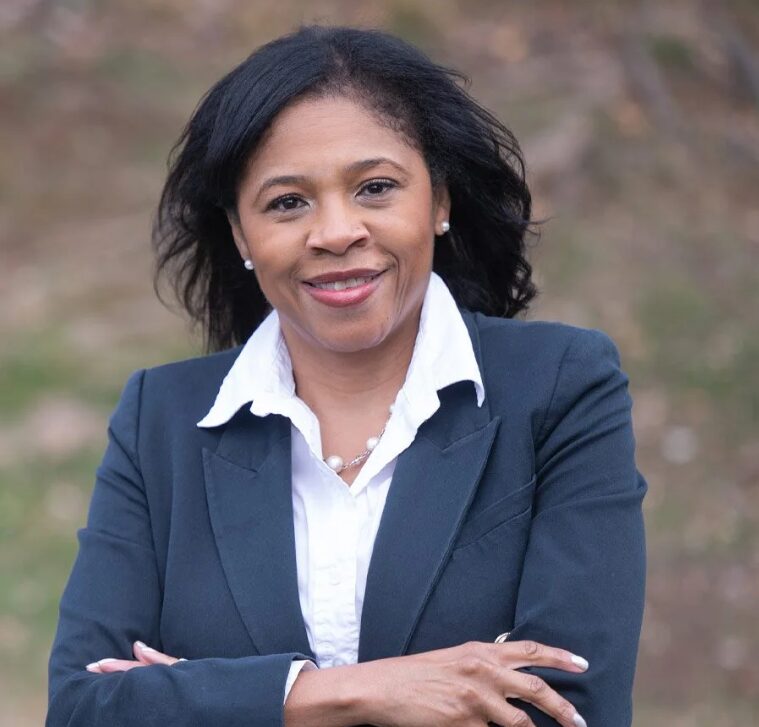
Tahesha Way
Advocated for sustained federal funding with safeguards to prevent diversion from transit needs.
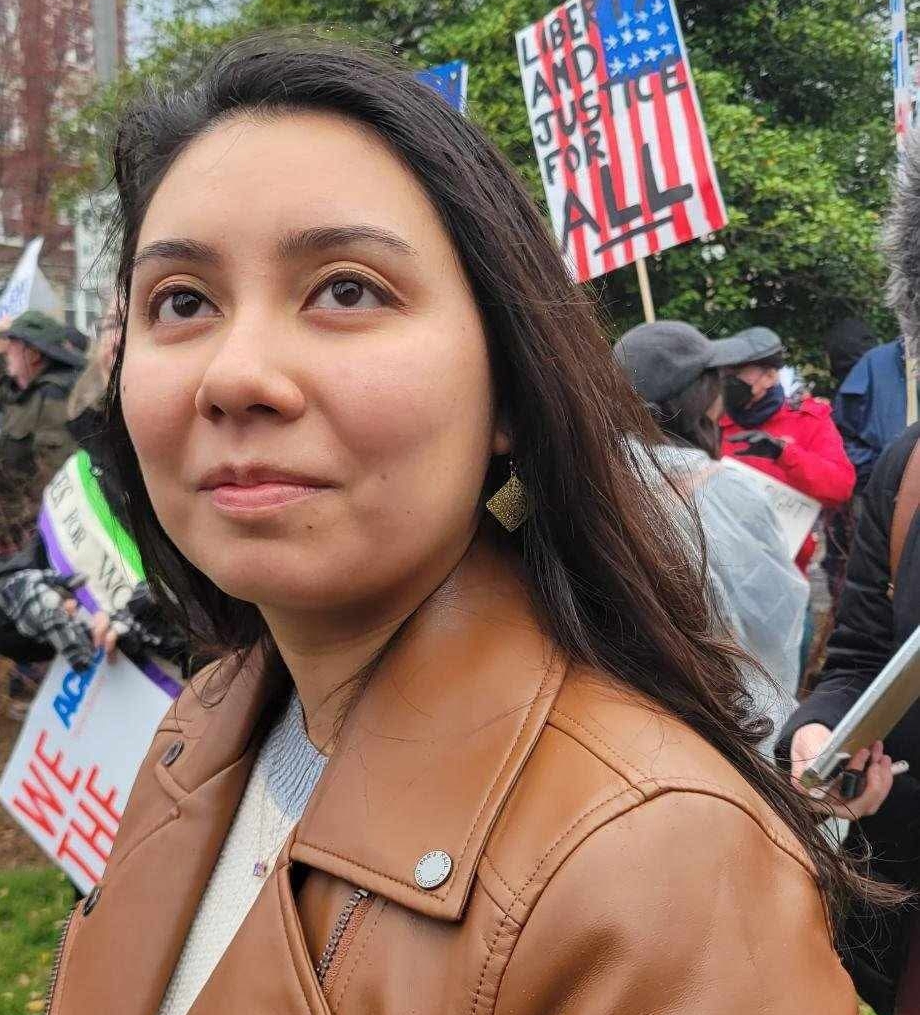
Anna Lee Williams
Promoted a rider-first approach including better communication and accountability for major delays.
Full Survey Results
|
Related Articles

NJ WARN On Track for 4-Year High: BH & Madison on the 2026 Lay-Off Radar
This Week in Trenton: Four Bills Worth Watching Alongside the Budget Hearings