Berkeley Heights residents will decide on a $50 million school referendum across two ballot questions in March, and it’s important for all of us to separate facts from scare tactics before voting.
The referendum deals primarily with capital projects.
Some messaging around the referendum suggests cuts in teaching staff would occur if the referendum doesn’t pass – that claim is highly misleading. Job cuts occur when there is a budget shortfall or when enrollment declines to a point where positions become unnecessary. They don’t happen just because a referendum fails.
The questions themselves have also caused confusion.
As it stands-
Question 2 can’t pass unless Question 1 passes.
Question 2 becomes irrelevant if Question 1 fails.
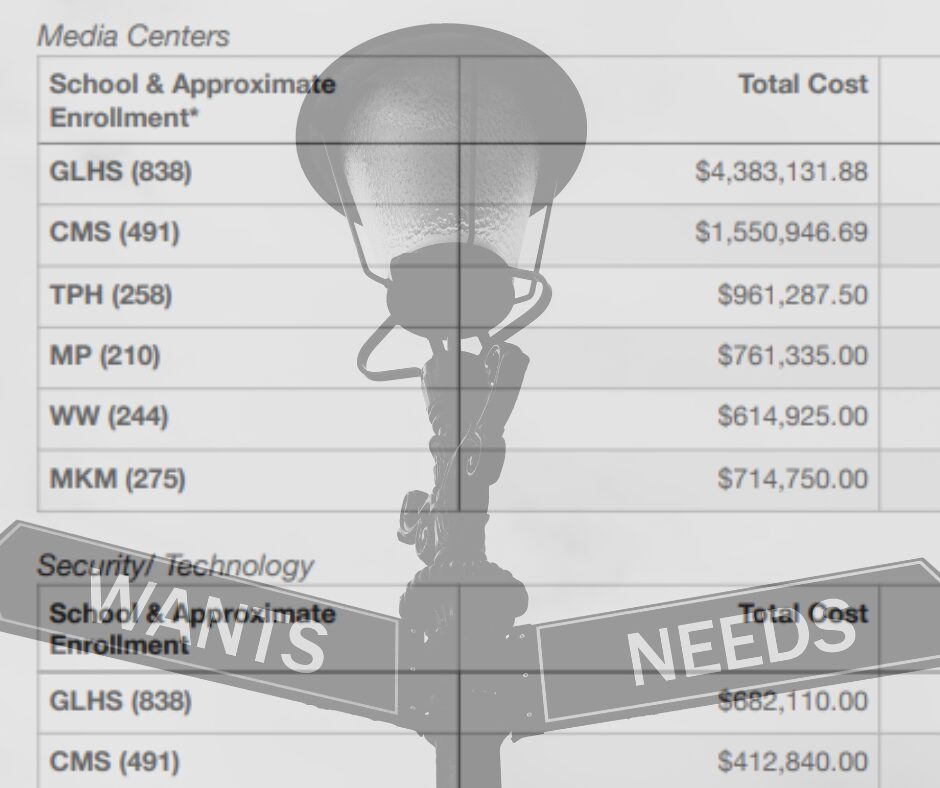
So we would expect that Question 1 would carry the most critical needs (HVAC as an example) and the lower priority items would fall into Question 2. Instead, high and low priority projects were mixed across both questions – creating a scenario where residents will likely feel pressured into approving the entire package. Attempts were made in 2025 to change how the questions were structured, but those failed.
If One or Both Questions Pass
If Question 1 passes, taxes remain largely unchanged, existing debt is replaced with new debt.
If both questions pass, then we take on the full $50 million and are locked into higher tax levels for years to come. Given that district spending per student is already at the higher end compared with nearby districts, it’s an aspect to the decision that deserves consideration.
The advantage to the district is that it can continue the annual 2% tax increase through the operating budget while taking on the new debt to fund the full list of projects. Another advantage is that it would receive partial state aid, which is estimated at around 30 percent. Lastly, because of the large infusion of money, projects are likely to be implemented over three to four years. However, we should keep in mind that state aid is still coming from state and federal tax dollars – it’s money moving out of one pocket to another.
If it Fails
If the referendum fails, residents would likely see a modest tax reduction because the district’s existing debt is currently rolling off, with the final payment being made now. It would require the District to use capital reserves to cover some essential projects such as HVAC but defer the larger upgrades or nonessential projects.
It does not mean projects cannot happen.
It does mean the district would need to rely on capital reserves and stronger long-term planning to meet their goals.
The 2% tax cap offers some protection for taxpayers in this scenario, and would require responsible and disciplined financial management on the part of the District – it would need to prioritize and budget more in line with the reality that aging buildings will always require investment.
The other benefit is a more flexible path forward – this allows us to change direction more easily and doesn’t lock in future generations to a plan they had no voice in and reduces the possibility of obsolescence.
The main question for voters really comes down to whether they want to approve an entire wish list all at once or see a clearly prioritized plan focused first on the most critical needs that phases in items like media centers later.
So, there are three paths-
1. Reject both questions and require the district to operate strictly within its budget. Essential repairs could still happen but larger or cosmetic upgrades may not.
2. Approve Question 1 only which maintains (roughly) the current tax level while funding some of the major infrastructure needs.
3. Approve both questions, funding the full project list with higher taxes and long term financial commitments.
The district’s most recent operating budget was approximately $63 million. Each voter must weigh this decision based on current economic conditions, tax levels and personal financial circumstances.
Our goal in covering the Berkeley Heights Public School referendum, as with any major local government decision, is to provide a platform for residents to make informed decisions, share their perspective, and be armed with the right questions to ask.
We hope residents avoid either cheerleading or trashing the referendum — the best approach is to ask hard questions and encourage the BOE and Administration to make changes that better serve the needs of our students while also respecting the economic realities families face in our community.
Our Referendum Hub provides a thorough fact-based analysis of what works and what needs to change.
|
Related Articles
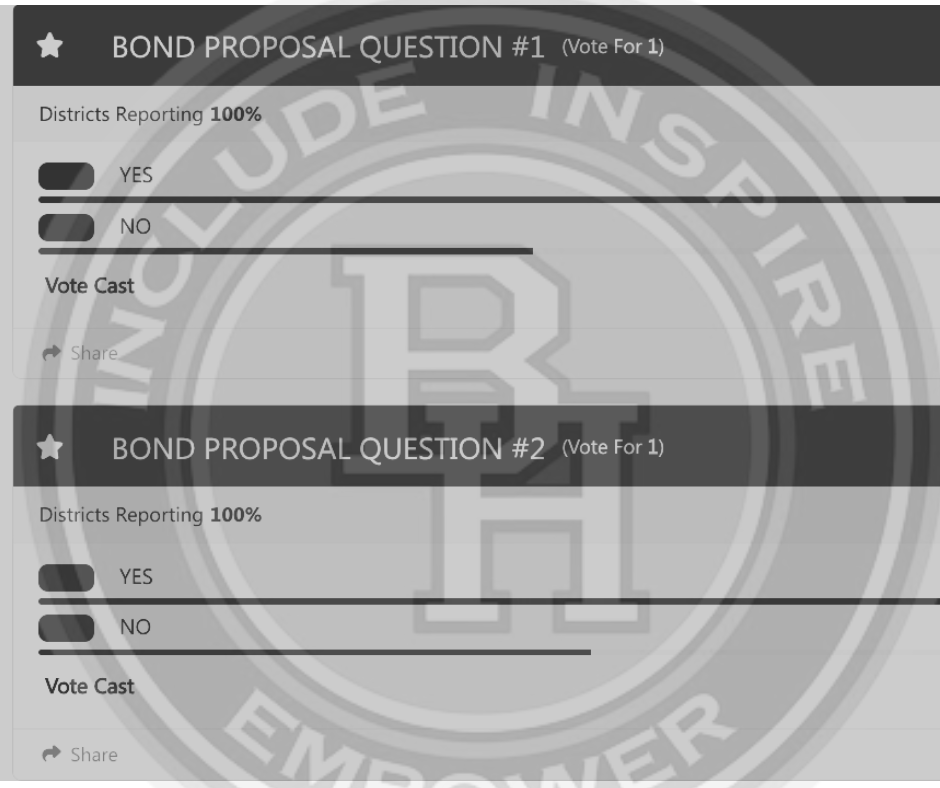
Berkeley Heights Referendum Results Fall Squarely Within Recent Regional Voting Trends
What the Referendum Leaves Out: Images and Notes From a District Employee