NJ21st Series

New Jersey’s Move to Adaptive Testing

New Jersey’s shift to adaptive testing raises major questions about transparency, comparability, accountability, and public trust. As the State changes how students are tested and how results may later be interpreted, parents, educators, and taxpayers deserve clear answers about what is changing, how scores are being calculated, and whether year-to-year comparisons will remain meaningful.

This page collects NJ21st’s reporting, commentary, and video coverage on the rollout of NJSLA-adaptive testing, the unanswered questions surrounding comparability and accountability, and the broader issue of whether the public is being given enough information to understand what these changes could mean.

When a state changes both the test and the way results may be interpreted, transparency is not optional. Public confidence depends on residents being able to see how the system works and whether the results remain trustworthy.

Read the Series

Fact-based reporting, public-records questions, commentary, and analysis tracking how New Jersey is rolling out adaptive testing and what still has not been clearly explained.

Timeline of Coverage

NJ21st’s reporting on adaptive testing has developed over time, moving from early concern about the rollout to deeper questions about accountability, comparability, scoring, and the public’s right to know.

August 16, 2025 Open Letter to Commissioner Dehmer Regarding Concerns About NJSLA-Adaptive Rollout

Early public concerns about the rollout and whether enough information had been provided before implementation.

August 25, 2025 New Jersey’s Adaptive Testing: A Field Test Without Federal Guardrails?

Broader questions emerge about oversight, guardrails, and whether the transition is occurring before the public has meaningful clarity.

September 4, 2025 Adaptive Testing Rollout Stirs Déjà Vu for Local BOE Member

A local voice reflects on why the rollout feels familiar and why public skepticism grows when answers remain incomplete.

October 13, 2025 NJDOE Assessment Shift: The Public’s Right to Know on Accountability and Comparability

Attention shifts more directly to comparability, accountability, and whether old and new results can be responsibly interpreted side by side.

November 13, 2025 Public Confidence Demands Transparency on New NJ DOE Accountability Metrics

The discussion broadens from the test itself to the State’s accountability framework and the conditions needed to preserve public trust.

March 18, 2026 NJDOE’s Ghost Deliverables: No Evidence for Adaptive Test Accuracy One Year into Rollout

NJ21st’s latest reporting focuses on records responses and the absence of produced technical materials showing how adaptive test accuracy was checked, validated, or documented.

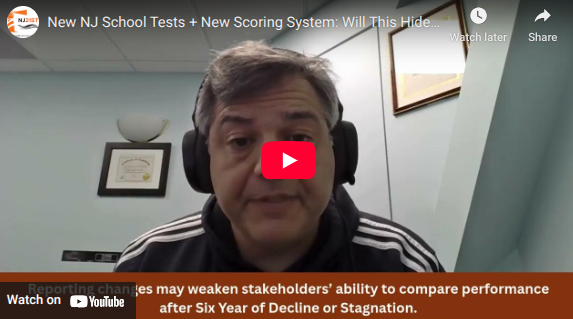
March 2026 New NJ School Tests + New Scoring System: Will This Hide Declining Performance?

A video explainer tying together the testing shift, scoring concerns, transparency issues, and what all of it may mean for how performance is seen by the public.

Key Questions NJDOE Still Needs to Answer

These are the questions at the center of the public conversation. They go to the heart of whether residents, educators, and local officials will be able to trust the results and the accountability systems built around them.

How exactly are adaptive test scores calculated? The public should be able to understand, in plain language, how scores are generated under the new system.
How is score accuracy checked and validated? If the testing model changes, the safeguards and validation methods matter just as much as the test itself.
Can new results be compared fairly to prior years? Comparability is essential if parents, school districts, and the public are expected to interpret trends over time.
How will accountability metrics be adjusted? If the State changes the test and the scoring system, it must explain how those changes flow into accountability determinations.
What records exist documenting these decisions? Public confidence is stronger when the methodology, review process, and supporting records are accessible and clear.
What protections are in place against misleading interpretations? Without transparency, residents may struggle to tell whether changes in reported performance reflect real academic shifts or system changes.

Transparency, Public Records, and the Right to Know

The move to adaptive testing is not only a policy and education story. It is also a transparency story. When a state changes assessments, scoring, and the accountability framework that flows from them, the public should be able to review the records that explain how those decisions were made and how the new system is being validated.

NJ21st’s coverage has repeatedly focused on whether residents are being given enough information to evaluate the shift responsibly. That includes questions about the existence of technical records, scoring documentation, comparability materials, internal guidance, and other records that would help the public understand what changed and why.

Comparability Records

Documents showing how the State or its contractors determined whether old and new results can be responsibly compared across years.

Scoring and Validation Materials

Records explaining how adaptive scores are produced, reviewed, quality-checked, and confirmed before being used publicly.

Accountability Guidance

Materials showing how test changes connect to school accountability, reporting systems, and any new interpretation rules presented to the public.

Transparency does not guarantee agreement, but it does make informed scrutiny possible. If the State expects the public to trust a new testing model and any new accountability metrics built around it, then the documentation behind those choices should be visible, understandable, and open to review.