
Civic Commentary: Five Things Every Resident Should Know About the Proposed Recreation Ordinance
A resident-focused breakdown of the major issues and questions surrounding the proposed Recreation ordinance.
Read article →This series follows the growing questions around Berkeley Heights Recreation, the Recreation Commission, the Lower Columbia and CMS field fight, the evolving “Sports Complex” narrative, private-email public business, off-channel decision-making, and a broader pattern of public actions that often seemed to move ahead of public clarity.
What began as questions about a lease and a turf field became a much larger story about process, accountability, access to records, political relationships, shifting explanations, and whether residents were getting the full picture while key decisions were being shaped behind the scenes.
When public projects, public land, public money, and public officials are involved, transparency is not a courtesy. It is the minimum the public should expect.
Reporting, commentary, public-records coverage, and analysis tracking how Berkeley Heights Recreation, the CMS lease, the turf-field push, and the Sports Complex story evolved over time.
A resident-focused breakdown of the major issues and questions surrounding the proposed Recreation ordinance.
Read article →

The Township Council’s move to dissolve Berkeley Heights’ volunteer Recreation Commission and replace it with a Recreation Department structure.
Read article →
A community-submitted piece raising budget, staffing and public-process questions about the proposed Recreation structure.
Read article →A closer look at the Lower Columbia fields, hydric soils, Green Acres questions, and unclear grant records tied to the project.
Read article →The Township cited a need for oversight on a project while basic questions about funding, authorization, and accounting remained unresolved.
Read article →A closer look at why residents are wary of the 4/8 Planning Board meeting and how rhetoric may be standing in for direct answers on process and public concern.
Read article →New scrutiny centers on how the project is funded, what permits and approvals are in place, and whether residents received meaningful public notice.
Read article →A sequence of events involving a resignation and an executive order offers a window into how decisions move forward without clear public records.
Read article →A court ruling forces release of unredacted emails and sharpens the transparency questions surrounding off-channel public business.
Read article →A look at the timeline around the CMS lease agreement and how the project’s public presentation drifted from what residents approved.
Read article →An amended agenda adds another no-bid Harbor contract, raising more questions about oversight and project scope.
Read article →Mapping how power and relationships interact in local government even when actions are technically permissible.
Read article →The environmental and flooding risks tied to the lease are pulled into focus as residents try to understand the local impact.
Read article →Board of Education pushback intensifies as officials challenge the framing and unanswered questions.
Read article →A heated council exchange underscores how procedural questions were turning into a larger public conflict.
Read article →The Township appears to move ahead before the Board of Education process fully catches up.
Read article →Email records help clarify what was shifting behind the scenes and what major questions remained unresolved.
Read article →Silence from the Recreation Commission deepens community concern about who is answering questions.
Read article →A Recreation Commissioner uses a private Gmail account to communicate a major public-project decision.
Read article →Questioning whether residents were effectively cut out of a decision with major public consequences.
Read article →The legal presentation of the deal shifts again, adding to public skepticism about what was approved.
Read article →As public messaging changes, questions grow about flooding risks, legality, and missing answers.
Read article →Residents question whether openness disappears once the deal-making stage begins.
Read article →A private tour raises public-meeting concerns and early questions about process.
Read article →A wider commentary about political priorities, public money, and who benefits from these projects.
Read article →The contrast between polished public messaging and the growing dysfunction underneath it.
Read article →The environmental consequences of the plan come into view after the lease is already approved.
Read article →The special Zoom meeting becomes an early flashpoint in the public fight over transparency.
Read article →Joly’s comments help define the concerns about school operations and process.
Read article →This piece frames the early conflict as a major legal and ethical red flag.
Read article →Early background on the CMS field issue before the later public escalation.
Read article →NJ21st’s reporting evolved from early questions about public process into a broader examination of off-channel business, hiring timelines, the Lower Columbia project, the Recreation Commission, and the political relationships behind the scenes.
Early background on the CMS field issue and circulating community questions.
The dispute is framed as an early legal and ethical red flag.
The environmental and flood-risk side of the project is pulled into sharper focus.
Expanding the story into a case study of how local power operates through relationships and limited visibility.
The project’s transformation into a “Sports Complex” sharpens concern over approved scope.
A major turning point in the fight over public records and private-email public business.
A new sequence of events involving executive orders and hiring timelines creates more transparency questions.
This chapter focuses on funding clarity, permit questions, and whether the public was adequately informed as the project advanced.
The reporting focuses on public wariness around the 4/8 Planning Board meeting and the role rhetoric played in shaping the discussion.
This chapter examines how the Township cited a need for oversight while still leaving basic accounting and authorization questions unresolved.
This chapter looks at hydric soils, Green Acres questions, and unclear grant records connected to the Lower Columbia fields.
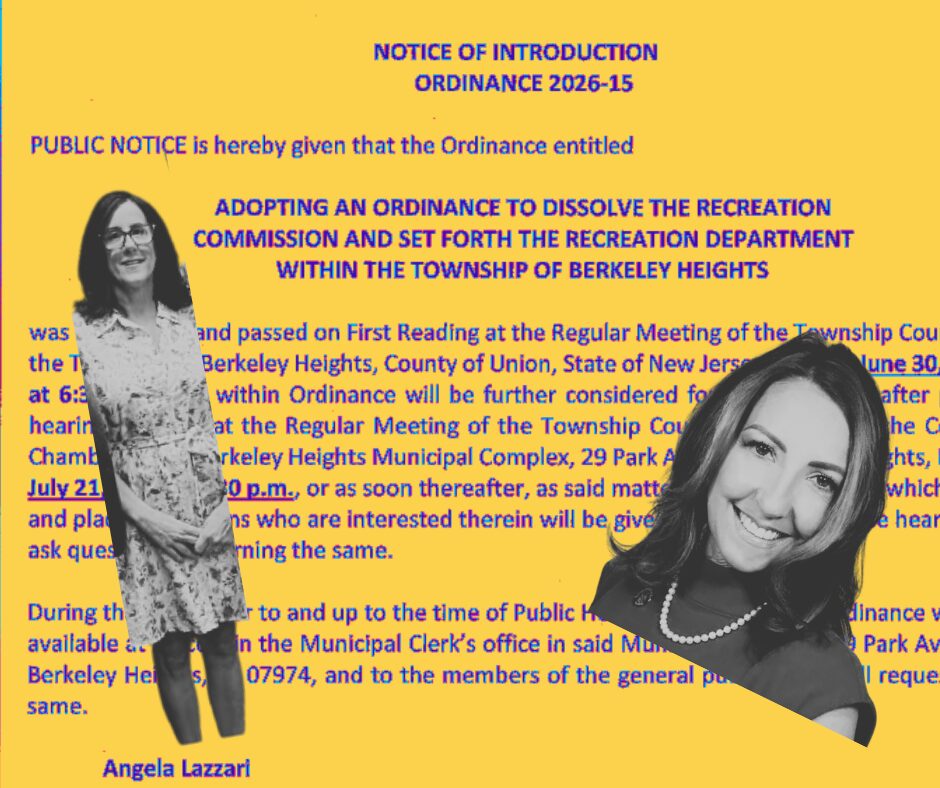
The Recreation Commission itself comes into focus, as the Township moves to dissolve the long-running volunteer body and replace it with a Recreation Department structure.
A community perspective raises questions about costs, staffing and the larger purpose of the new ordinance.
A resident-focused breakdown of the main issues and questions surrounding the proposed Recreation ordinance.
NJ21st analyzes the Township’s public statement and the unanswered questions surrounding the proposed dissolution.
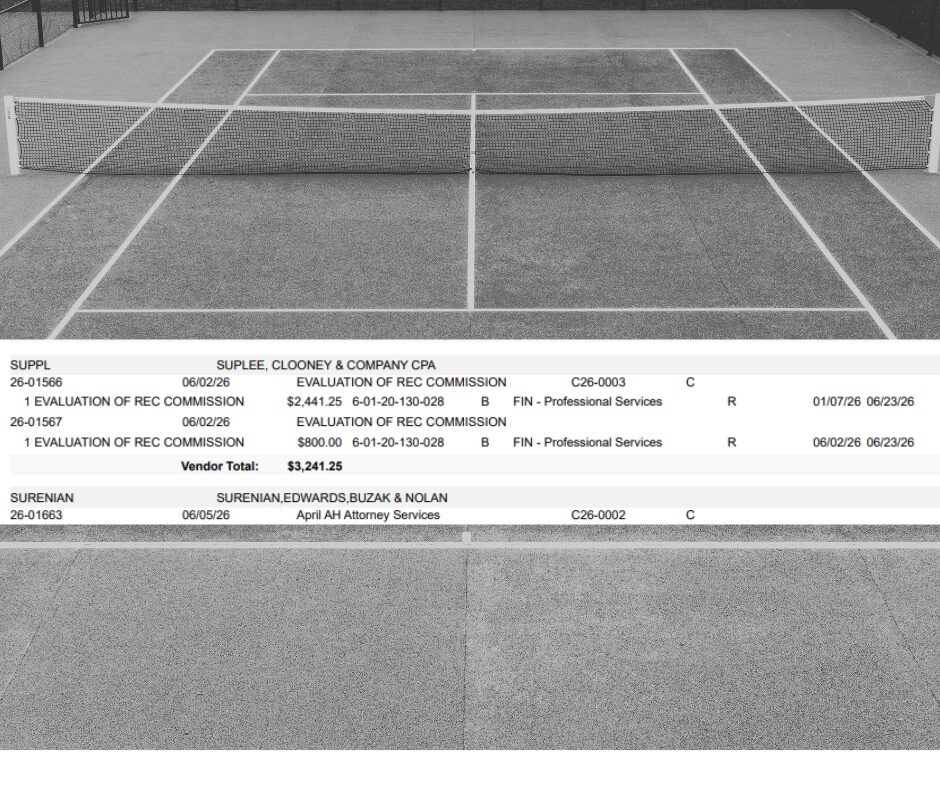
The latest chapter examines paid evaluations, political ties, omitted minutes and the public record behind the ordinance.
These stories are about how public decisions get made, who shapes them, and what happens when transparency is bypassed.
At its core, this is a transparency story. It is about whether residents can see the emails, proposals, lease details, funding sources, permit records, notice records, and hiring records necessary to understand how Recreation-related projects moved from discussion to action.
Records showing who communicated about projects and whether public business was moved off-channel.
Leases, consultant proposals, funding records, and executive orders needed to understand how scope and personnel evolved.
Agendas, minutes, permit records, and procedural documents that show whether the public process was complete and timely.