The Shore v. Cherry Hill matter has many potential far reaching consequences for NJ journalists, advocates and residents – each tentacle has a potentially devastating impact on transparency.
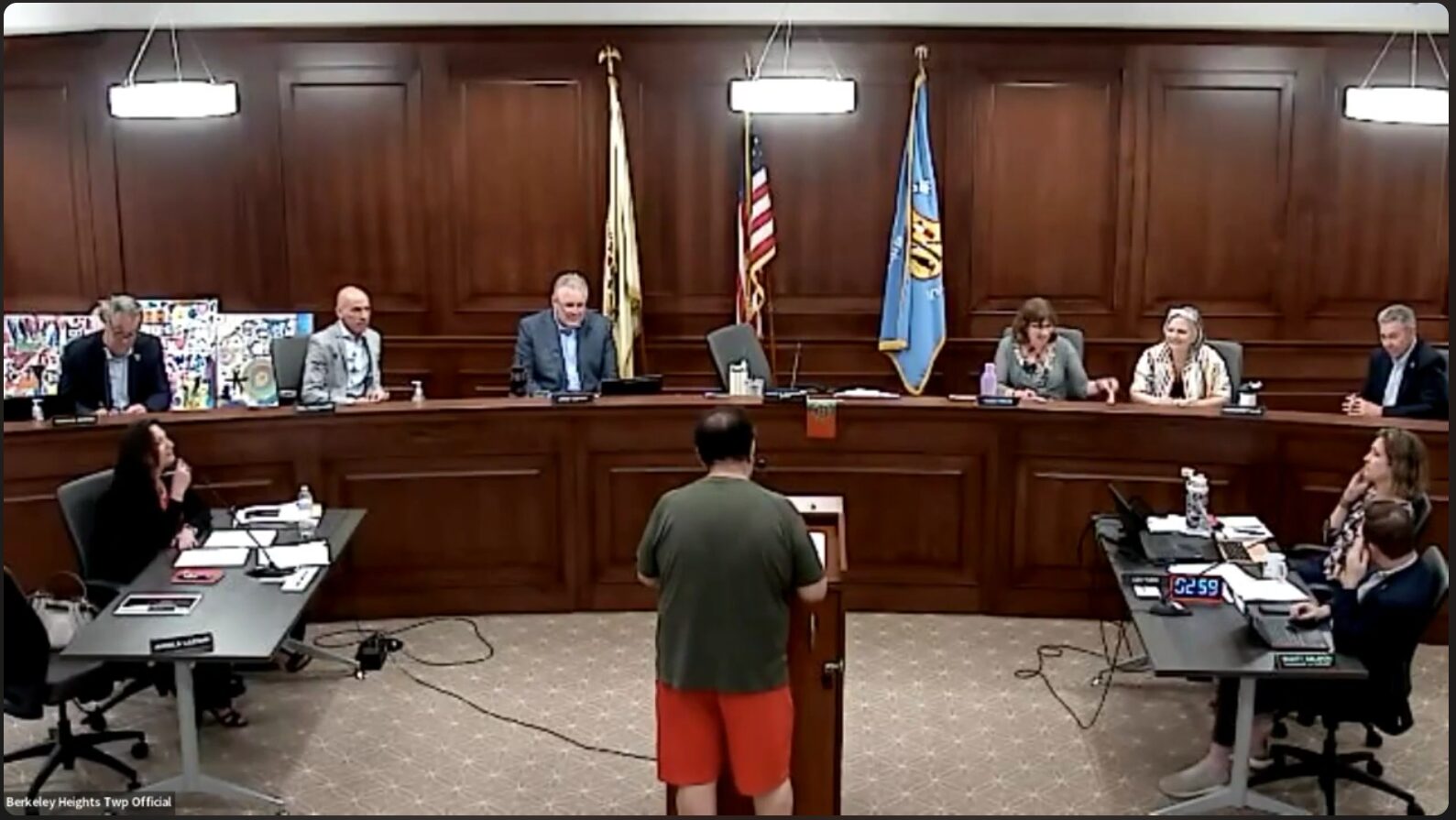
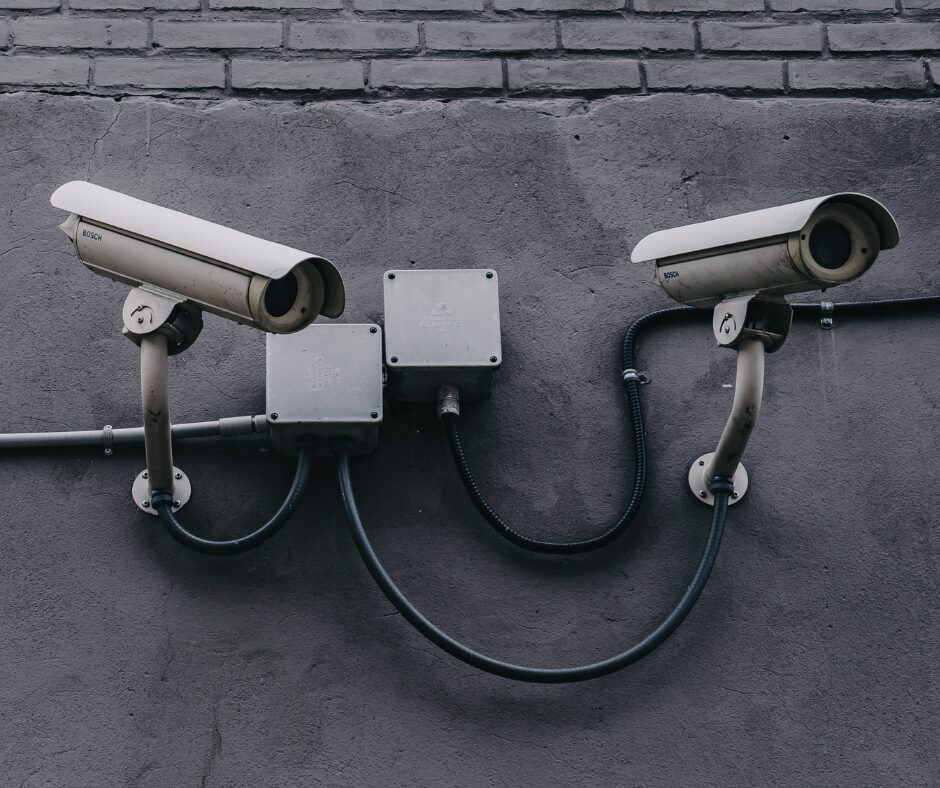
The story begins with a narrow request from Ben Shore for security camera footage from the 12/16/2025 Cherry Hill BOE meeting on a portion of the meeting that involved the Cherry Hill Tomorrow Project. In its response, the District refused to provide an electronic copy and informed Shore that he would need to see the footage in person – on-site at the District. Their argument centered on their stated belief that releasing the footage would compromise security system integrity by revealing its ‘capabilities and vulnerabilities’.
The District later specified this as meaning possible blind spots, image and resolution quality, whether the cameras record in color or black and white and whether audio is captured. They also argued that releasing the footage could reveal blind spots and security weaknesses.
In response, Shore filed a lawsuit under OPRA and common-law right of access stating that an in-person viewing did not satisfy access requirements.
In a statement to NJ21st, Shore said the security-camera footage matter remains pending and that the Court has heard oral argument. “I advocated for the release of public records under New Jersey’s public records law,” Shore said. “I expect the Court will issue a written decision in the coming months.”
Shore’s complaint says he proposed several possible safeguards which included cropping the frame, lowering resolution, accepting the footage in black and white, removing audio and even offering to pay a special service charge for redaction work. Despite all of these accommodations the District persisted in its position that Shore could only access the video in person.
Shore told NJ21st he tried to resolve the issue without litigation. “I have tried to be reasonable at every step,” Shore said. “I offered multiple good-faith solutions to address the District’s stated concerns, but the District refused to move an inch. Rather than work toward transparency, they chose litigation. That is deeply disappointing.”
Public agencies can deny or redact records when they believe disclosure would compromise security but the case exposed an obvious question – to what extent is a District accountable to demonstrating that their application of this shield actually has merit?
According to Cherry Hill’s later court filings, Shore previously requested security camera footage of a February 2025 BOE meeting. That request was denied under a similar security rationale, and the court’s reasoning in that case is of vital importance – the court was unwilling to substitute its judgment when the safety director said release of the video would compromise the integrity of the school.
The kind of broad and unquestioning deference to an organization’s own analysis will likely lead to very limited access to footage, even footage from public meetings.
A 2018 Northeastern University study found that school shootings, while devastating, were statistically rare events and that media coverage had significantly distorted public perception of the risk.” Read the study coverage.
A 2021 study published in JAMA found that police presence in schools during school shootings led to worse outcomes. Read the study.
A 2026 study by WestEd found that “schools that removed police saw significant improvements in how students experienced their school environment. Students reported stronger caring relationships with staff and more meaningful participation in school.” Read the WestEd report.
So is the more compelling interest really to shield these concerning programs and practices from the public by blocking access to the very medium that can hold them accountable?
It’s also a very convenient loophole if questions arise about the reasonableness and efficacy of a school’s approach to security where video footage could be used as a tool in reporting concerns. This becomes more pressing as districts are disallowing cell phone use in schools while at the same time increasing police presence and other interventions that present as potential threats to student civil liberties.
With the ban on cell phones and the known negative impact of security theatre on student well being; access to this footage -especially by investigative outlets – becomes a compelling public interest.
Berkeley Heights residents will remember the over-reaction of the local police department of a “threat” that ended up not being a “threat” in 2018 that saw schools locked down and filled with armed guards as students were prevented from leaving.
Berkeley Heights got the full story only because of cell phone footage captured by students. Now that those phones are gone, what is left to document what actually happened?
In Shore’s case the footage here involves public officials conducting public business at a public meeting- not a classroom, disciplinary matter or security drill.
The surveillance footage fight turned out to be the smaller of the two battles.
Cherry Hill BOE then filed a separate lawsuit against Shore Investigates, Benjamin Shore, and Daniel Shore seeking a protective order under New Jersey’s amended OPRA law pushed through by Senator Scutari and relief related to CHPSOPRA.com, a website created to help users submit OPRA requests to the District. The District claims that Shore et al. filed repetitive and disruptive requests.
In response to NJ21st’s request for comment, Eric Harrison of Methfessel & Werbel, counsel for the Cherry Hill Township Board of Education, said the District’s attorneys “prefer to let our legal arguments speak for themselves and add no further comment.” Harrison provided previously filed documents and said that “if you want a complete understanding of our position we’d encourage you to review everything that’s been filed.”
The total?
19 requests over approximately a year and a half.
Well under two requests a month for an investigative journalism outlet.
According to the District these 19 requests led to 100 hours of District staff time and exchange involving 260 emails.
It also cites 25 requests from other individuals/entities through CHPSOPRA, however those requests would have likely come through another mechanism – it’s akin to blaming GMAIL for OPRA requests.
Shore responded with an application under New Jersey’s Uniform Public Expression Protection Act, or UPEPA, the state’s anti-SLAPP law arguing that the Board’s lawsuit targets protected journalism, public-records requests, litigation, settlement communications, public comment, and a public-facing records tool.
Shore framed the District’s broader protective-order lawsuit as an attack on public-records access and press freedom. “At its core, this case is about transparency, accountability, and the public’s right to ask questions,” Shore told NJ21st. “I believe the District’s protective order lawsuit is an attack on the First Amendment. It targets the free press and punishes people for asking questions, seeking public records, and trying to get to the truth.”
As of the May 12 case-jacket materials reviewed, the UPEPA Order to Show Cause was scheduled for June 4, 2026 at 3:00 p.m. The docket materials reviewed do not show the outcome of that future hearing.
In our own correspondence seeking records from the District, we have seen similar claims for staff time that appear divorced from the reality of the request, along with repeated responses seeking clarification or relying on technicalities.
We have only experienced this pattern with one other District, which repeatedly ended up in OPRA litigation after its actions were tested against the law.
The Cherry Hill cases now present two related but distinct questions.
The first is narrow but impactful – whether the District must provide an electronic copy of surveillance footage from a public Board meeting or whether unvetted claims of security concerns justify limiting access to in-person viewing only.
The second is broader and potentially devastating – whether a school district can use OPRA’s new provisions to restrict future records requests by a journalist, their outlet and an affiliated requestor, or whether that lawsuit itself crosses a line into protected speech and petitioning.
Together, these two cases will test whether New Jersey’s transparency laws still have teeth or whether NJ government bodies can hide what its cameras capture while punishing journalists who ask to see it. For residents across the state who rely on public records to understand what happens inside their schools, the answer matters.
|
Related Articles

Recreation and Data Centers: Shauna’s Notes on the 06/30/2026 Berkeley Heights Town Council Meeting
Amendments to Recreation and Terrace II Ordinance – But Is It Enough?